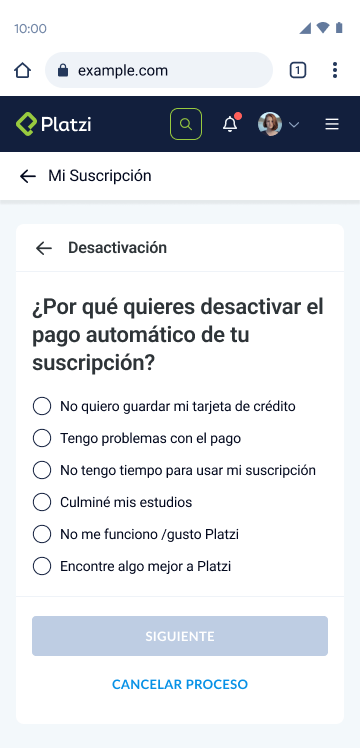
Voluntary Cancellation Flow

Redesigning the subscription cancellation experience to reduce churn while maintaining user trust and transparency.

Over Half of Churn Came from Voluntary Cancellations

More than 50% of churn originated from the voluntary cancellation flow—students who directly chose to stop paying or had billing issues.

No Self-Service Reactivation

Students couldn't reactivate subscriptions on their own—they had to contact support, creating friction and reducing reactivation rates.

Confusing Interface

The UX/UI had too many options that confused students, potentially leading them to cancel when they could have paused instead.

No Payment Update Flow

Students couldn't update credit card information and retry billing autonomously. Support contact was required, but rarely happened.

Improved Alternatives with Cognitive Friction

Initial approach focused on better cancellation alternatives and adding friction to reduce impulsive cancellations.

Hypothesis

If we modify the cancellation section by improving alternatives, adding credit card update options, and including cognitive friction, we will reduce voluntary cancellations.

Changes Implemented
  • Context-specific alternatives: Different options presented based on cancellation reason
  • Self-service card updates: New flow allowing students to update payment information without contacting support
  • Hidden cancellation CTA: Moved the cancel button deeper into settings to add friction
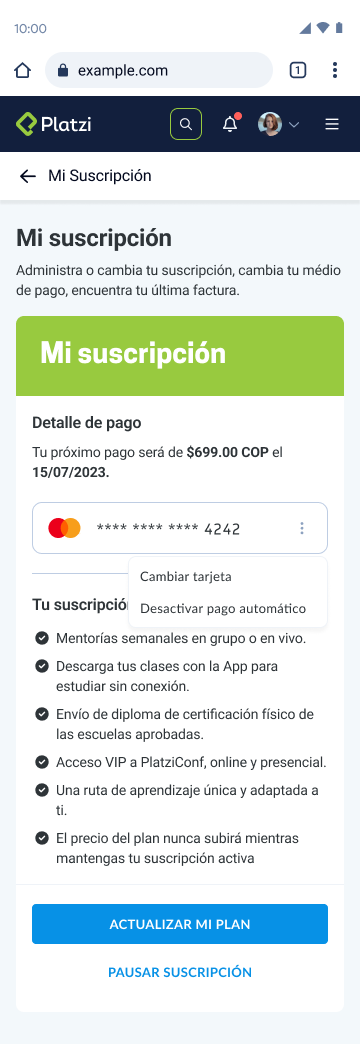
friction added to the cancel button

Hidden cancellation CTA

Cancellation flow with friction added

Context-specific alternatives

Learnings

Mixed Success

While we reduced cancellations, we saw increasing negative sentiment on social media about cancellation difficulty.

Alternative Options Worked

Many students found good alternatives that addressed their concerns without canceling.

Card Update Was Effective

Self-service payment updates reduced support requests by 60% without increasing past-due accounts.

Key Insight

Main cancellation reason was uncertainty about having money available at renewal time a year later.
Transparency with Strategic Alternatives

Refined approach that removed manipulative friction while keeping effective alternatives and adding a cancellation reminder feature.

Cancellation flow with friction removed

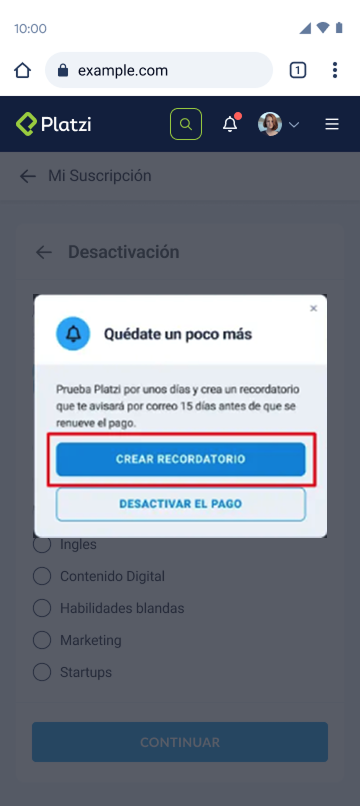
Cancellation reminder

Transparent cancellation flow with reminder option

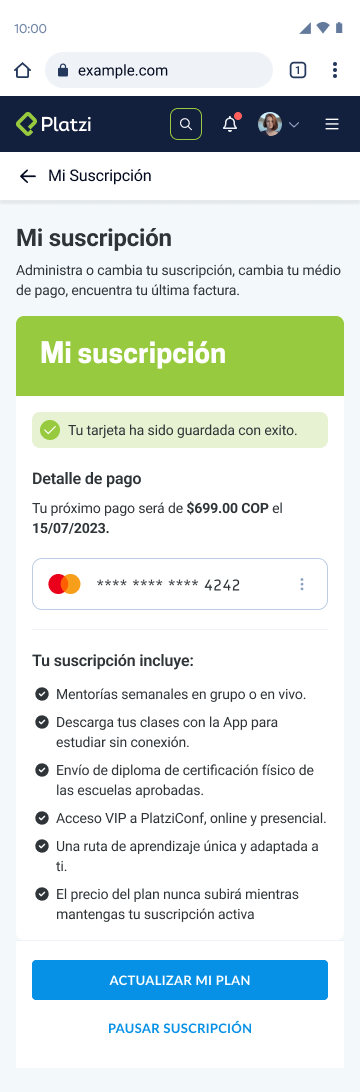
Card update flow

Key Changes
  • Removed friction: Made the cancel button visible again as the main CTA, restoring user trust
  • Kept effective alternatives: Maintained improved cancellation options (pause, plan changes) and card update flow
  • Added cancellation reminder: New option to set a reminder 15 days before renewal instead of canceling immediately
Why This Worked

The cancellation reminder addressed the core concern: students were canceling immediately after purchase due to financial uncertainty about the future, not current dissatisfaction. By deferring the decision, they had more time to experience value.

Impact

Better Brand Perception

Social media complaints decreased significantly after removing manipulative friction.

Win-Win Outcome

Students felt more in control while we reduced premature cancellations.

Addressed Root Cause

The reminder feature directly solved the financial uncertainty problem.

Maintained Improvements

Card update and alternative options continued performing well.

Measurable Churn Reduction

The refined approach successfully reduced cancellations while improving user experience and brand trust.

20%
Decrease in voluntary cancellation completion rate
60%
Reduction in payment-related support requests

What I Learned

User Trust is Non-Negotiable

While friction can reduce cancellations short-term, it damages brand reputation and user trust long-term. Transparency always wins.

Find the Root Cause

Through user research, we discovered the real reason for cancellations (financial uncertainty about future renewal) and addressed it directly with the reminder feature.

Iterate Based on Feedback

The second iteration's success came from listening to both quantitative metrics and qualitative user feedback, including social media sentiment.

Self-Service Reduces Friction

Enabling users to solve problems autonomously (card updates, pausing) improved experience for both users and support teams.